After having a couple of harrowing rides in the previous days, I was a little apprehensive when some of the Georgian passengers crossed themselves ostentatiously before getting on the marshrutka for Gelati Monastery. Happily, I needn’t have worried. The minibus trip that began behind the Meskhishvili Theatre in Kutaisi and wound its way into the hills above the city, ending at the twelfth-century monastery of Gelati, was one of the more sedate ones I experienced in Georgia. If you try it, the bus is easy to recognize because the destination card in the windshield has a picture of a monastery on it.
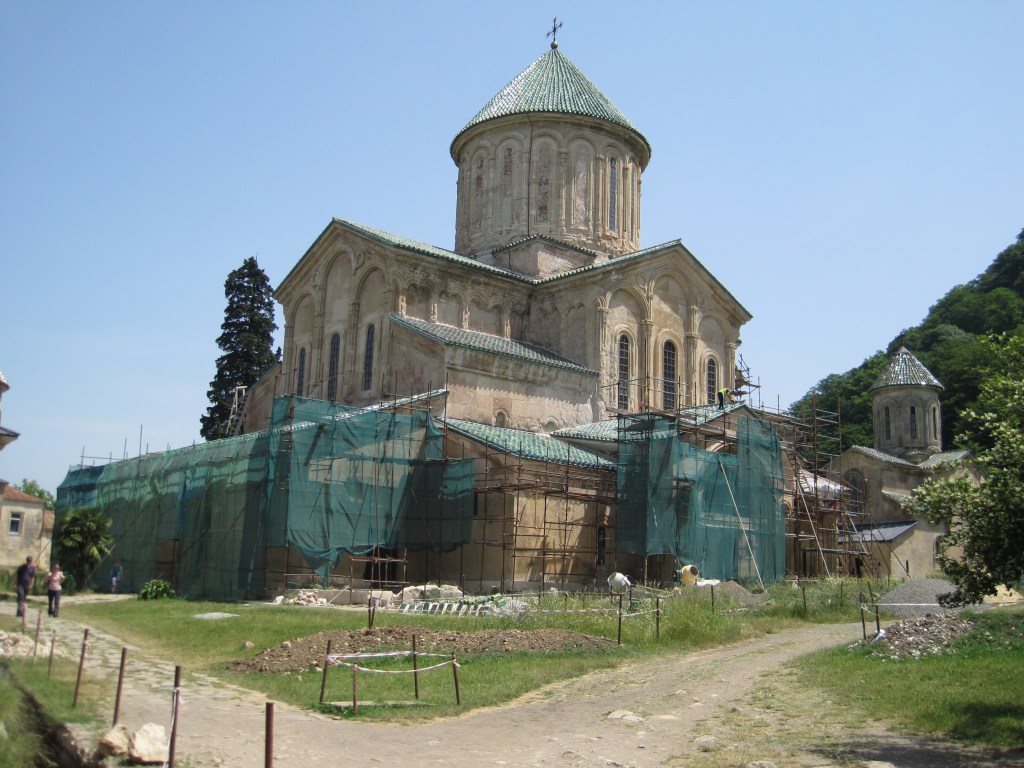
Gelati was a major religious and cultural centre during Georgia’s medieval golden age. An impressive list of rulers are buried here, including Queen Tamar and David IV The Builder. The cathedral has numerous medieval frescoes inside, but since their pigments can be damaged by camera flashes, photography is not allowed. You can see a selection of them at Wikimedia Commons.
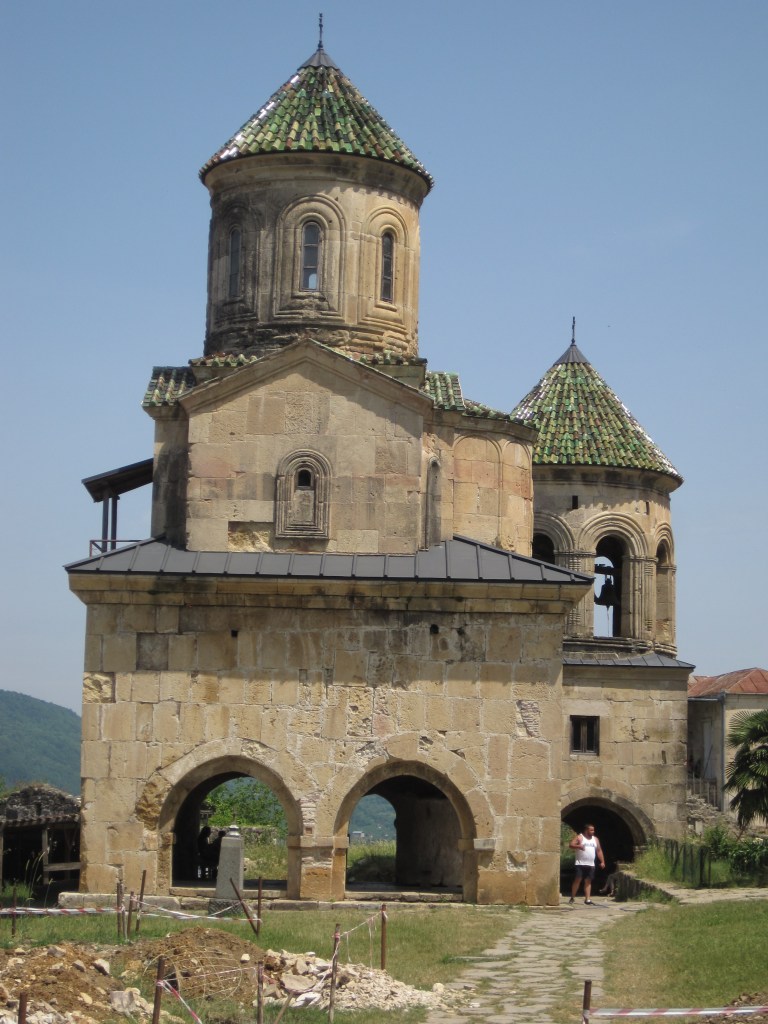
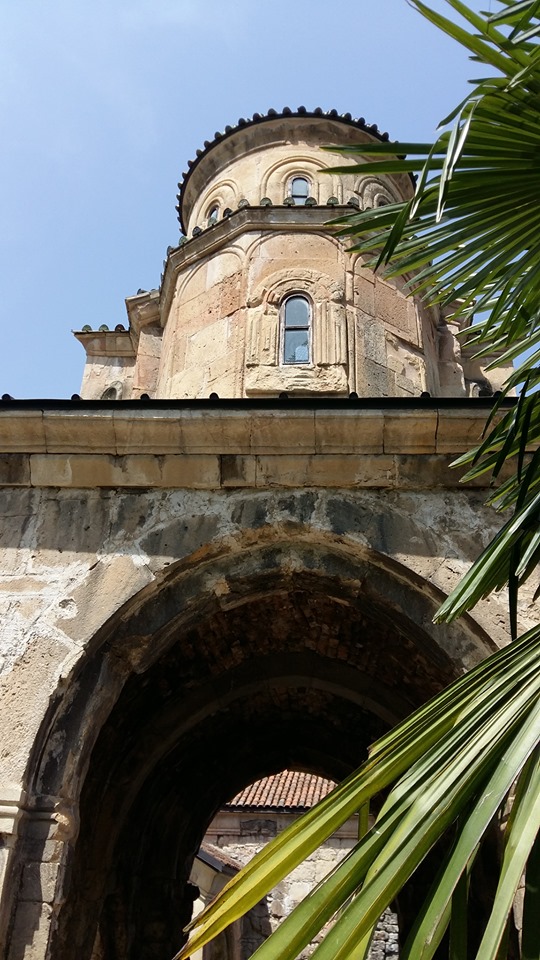
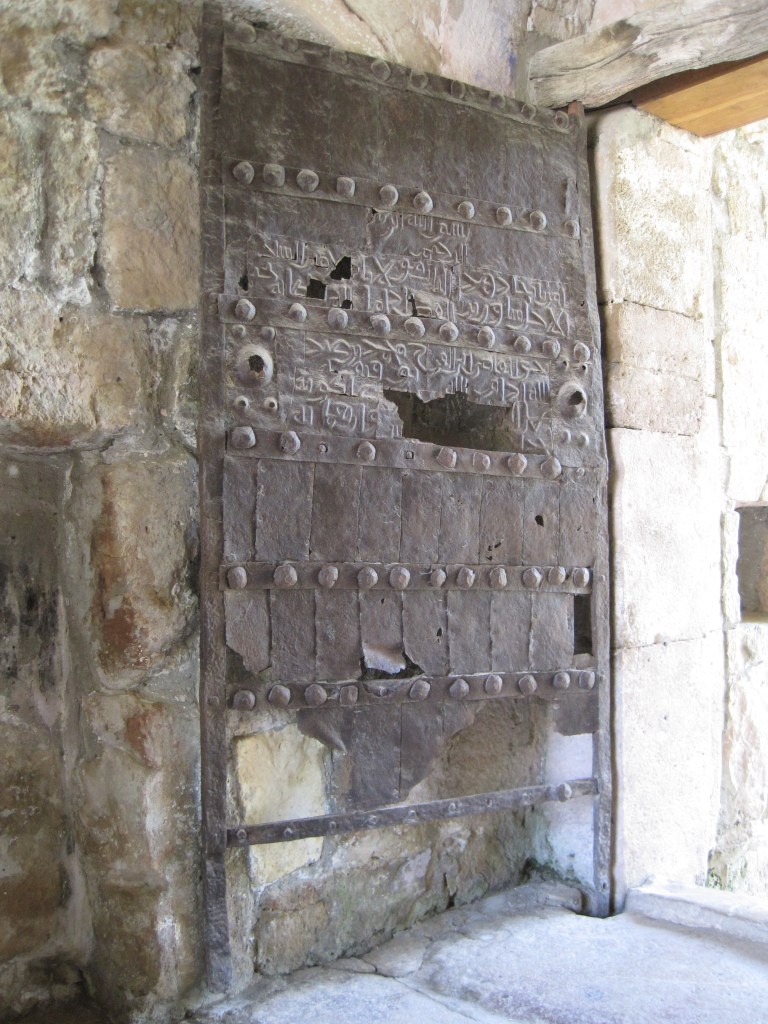
Inside the tower, I photographed a remarkable old door with some kind of inscription. It wasn’t until I got home that I found out it had a story behind it. This is one of the ancient Gates of Ganja. Ganja is nowadays Azerbaijan’s second largest city. In 1063, the ruler of the city had a master craftsman build six iron gates for the city walls. After an earthquake devastated the region in 1139, the Georgian ruler Demetrius I invaded it and forced some of the unlucky inhabitants to carry their city gate on their backs all the way back to Gelati as war booty.
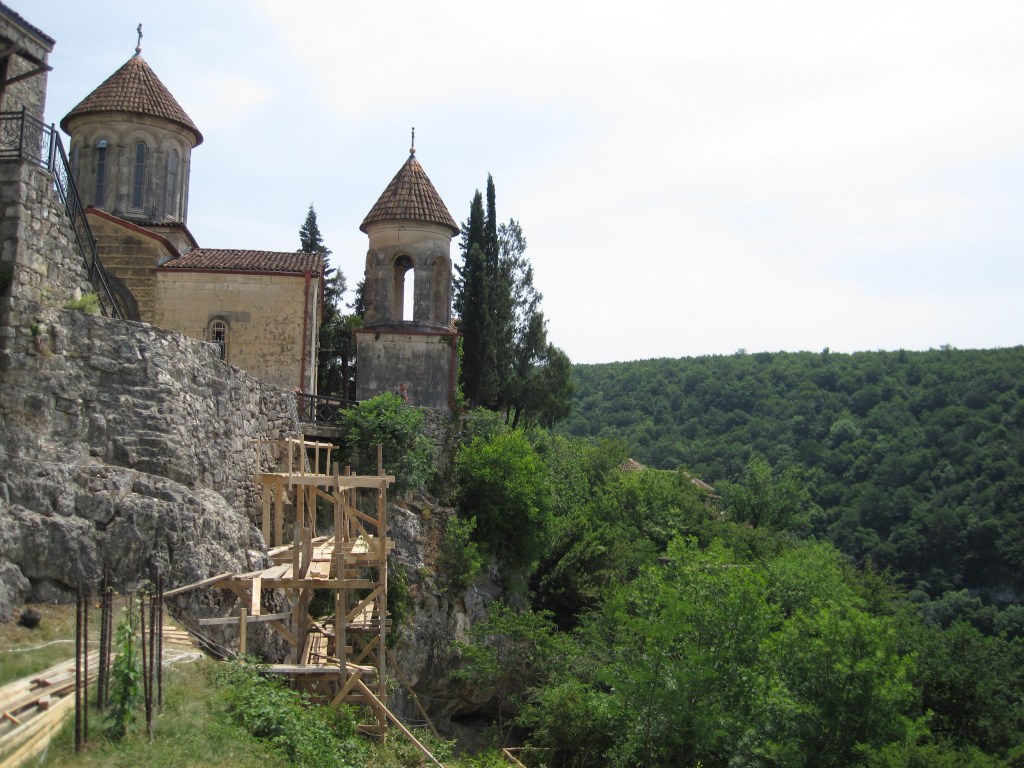
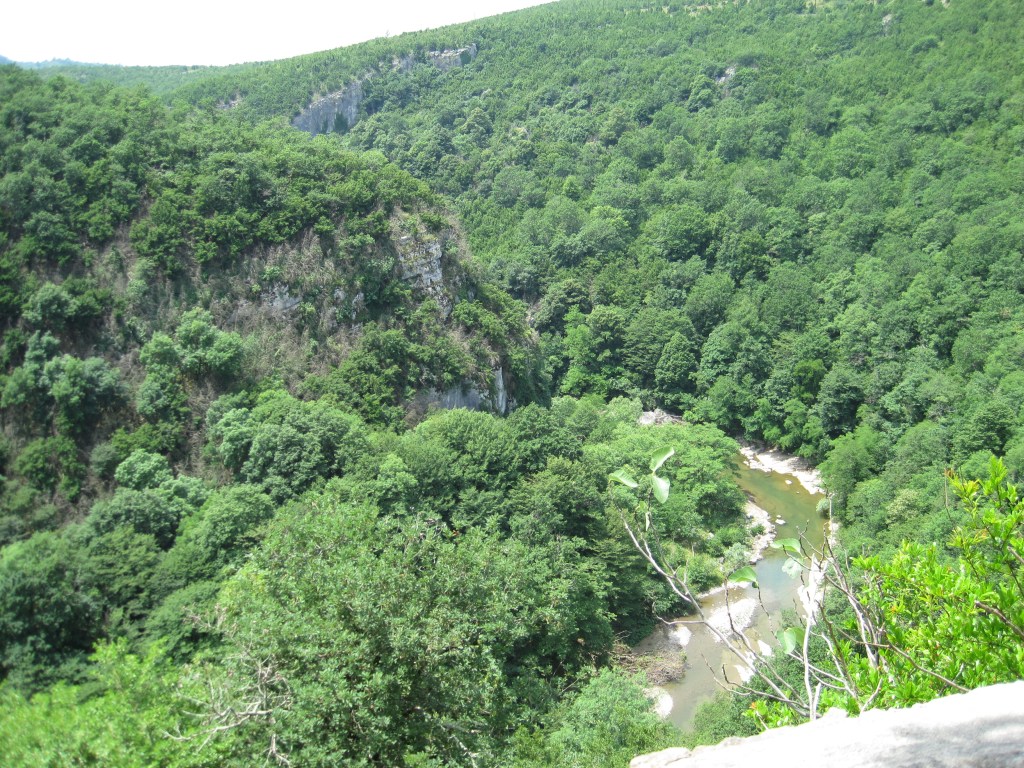
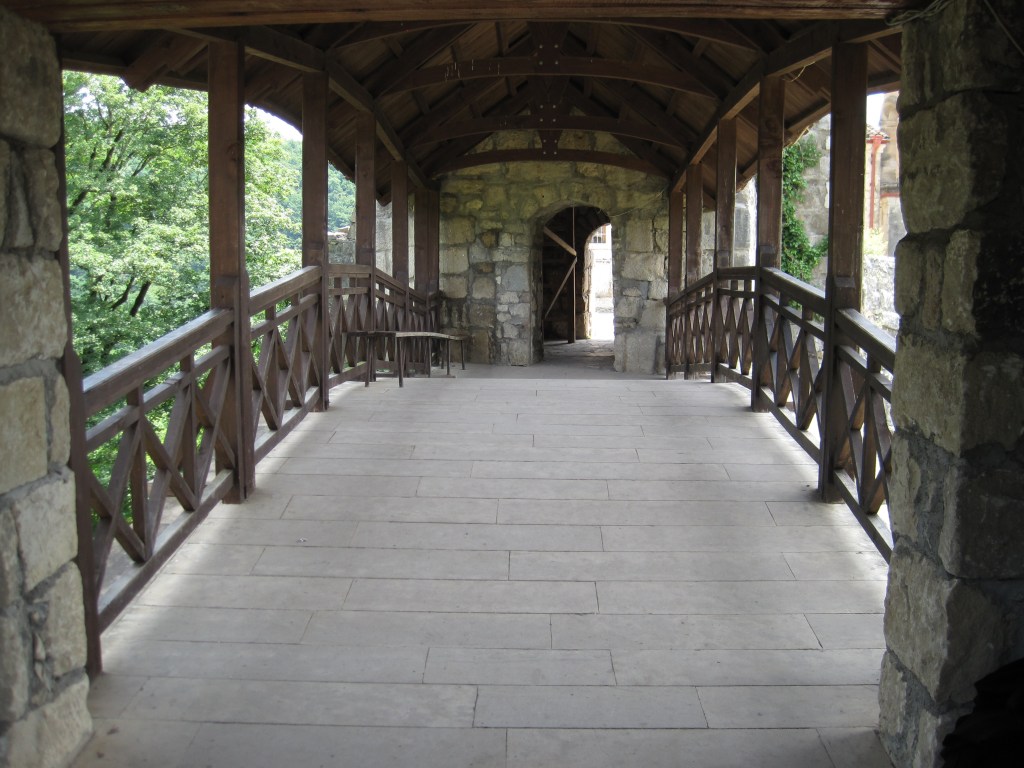
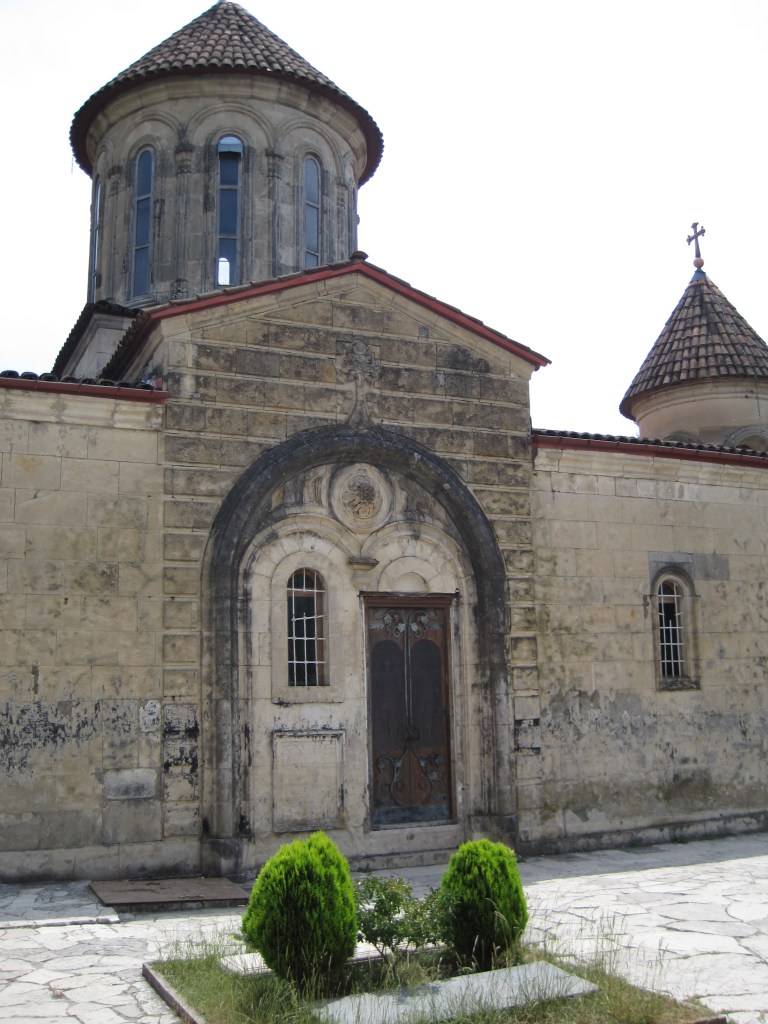
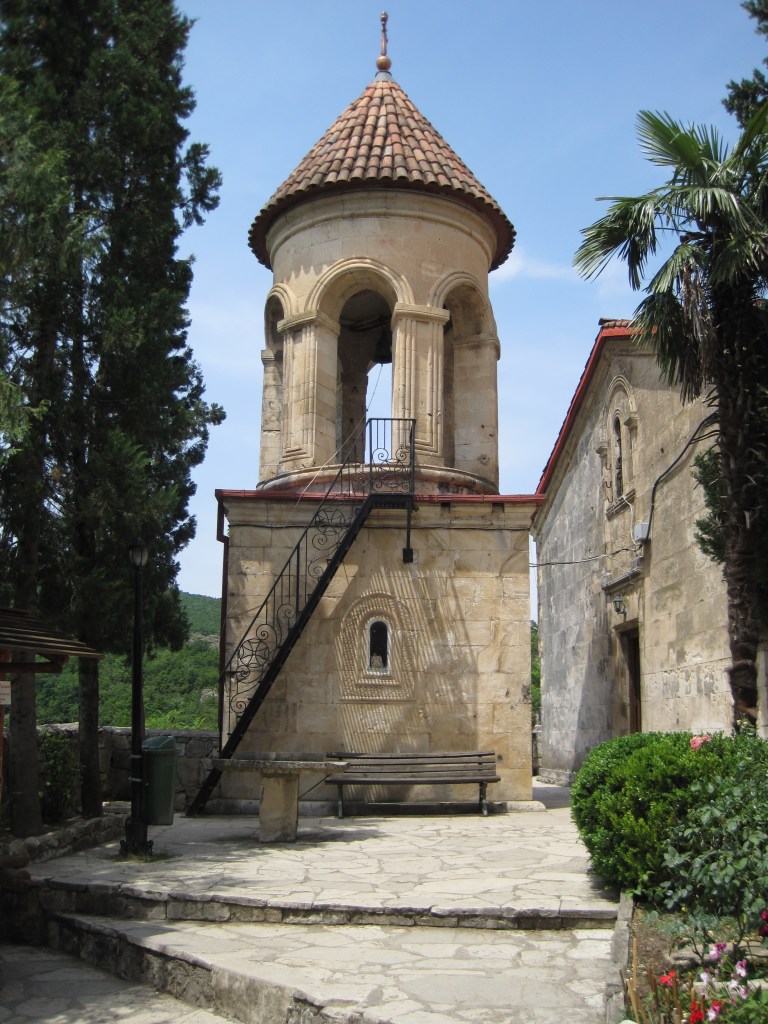
After an hour at Gelati, I caught the marshrutka back downhill towards my next stop, the monastery of Motsameta. In theory, there is a footpath between the two monasteries and it is possible to walk between them in an hour or so, but I was happy for the bus that day because it was very hot and sunny, and even with strong sunscreen I would have been red and crispy if I had walked the whole way. As it is, the marshrutka drops you off at an intersection a couple of kilometres below Motsameta, and you have to hike up the road to get there.
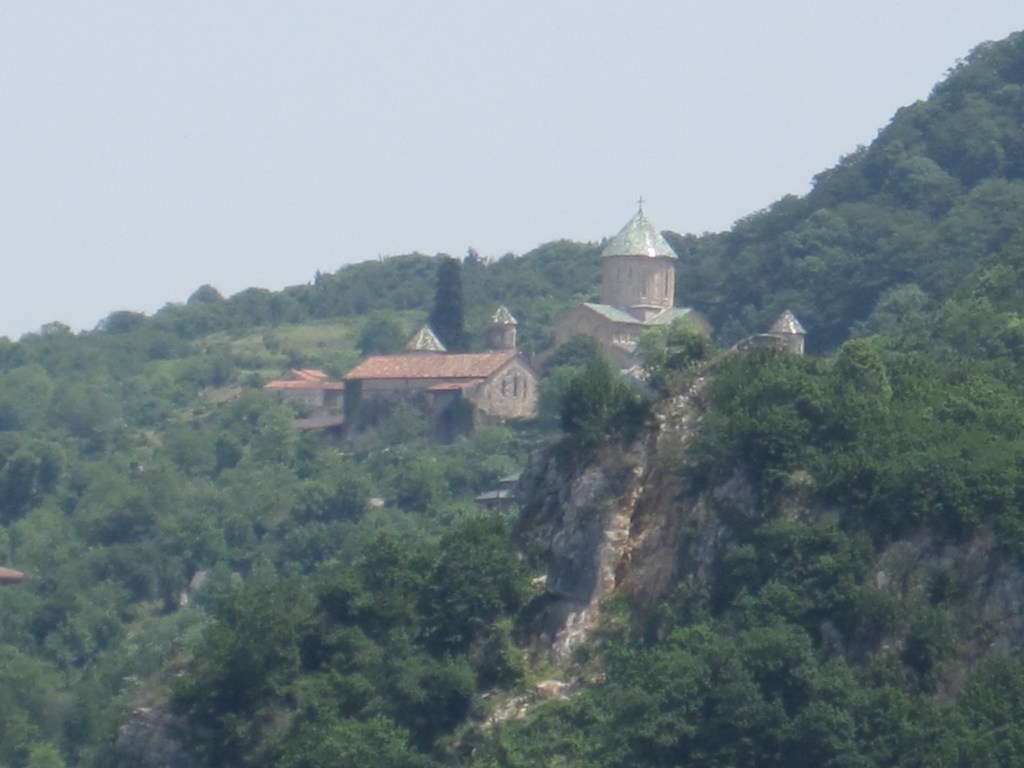
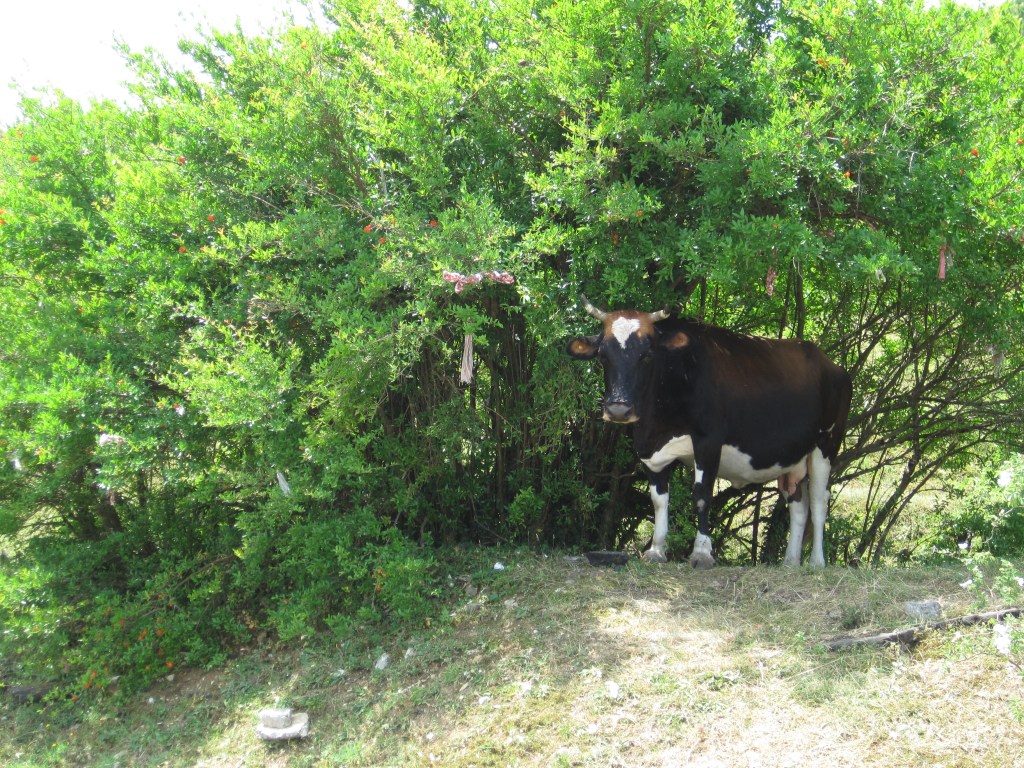
The walk up the road is quite pleasant. It was another opportunity to acquaint myself with the local flora and fauna.
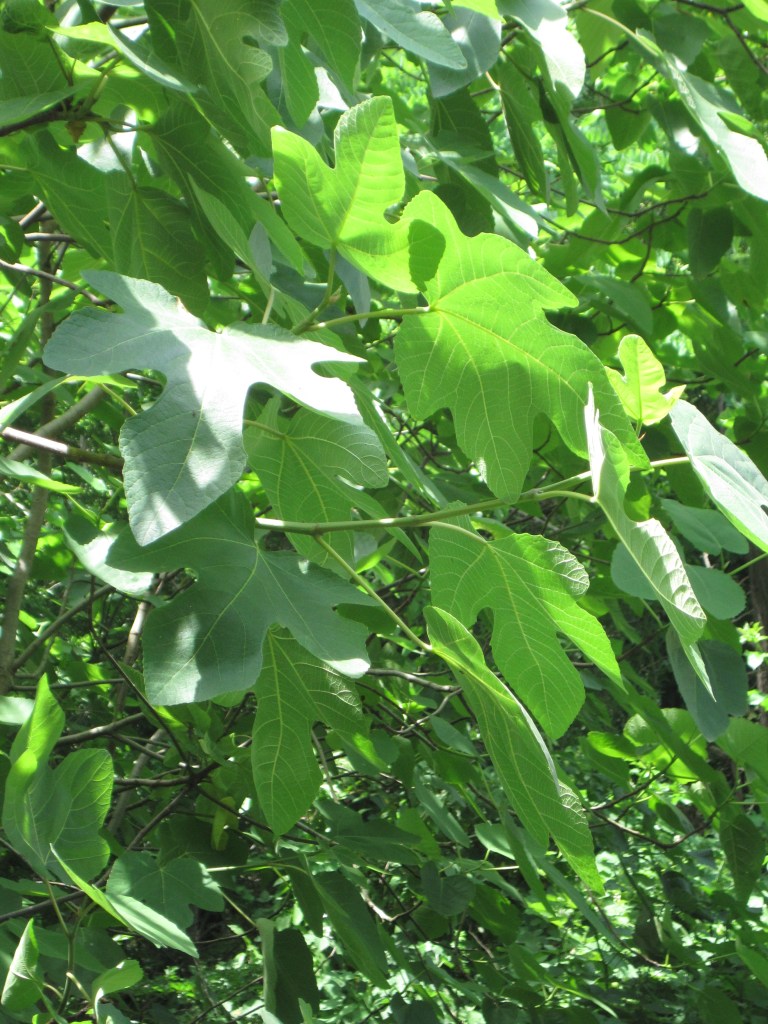
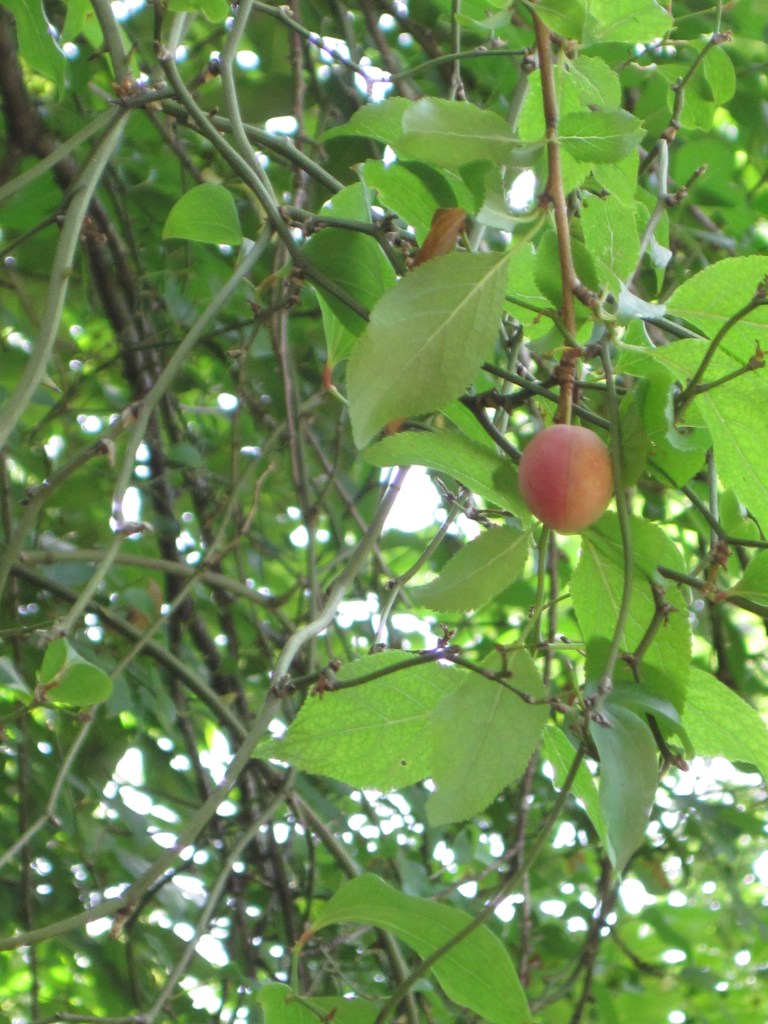
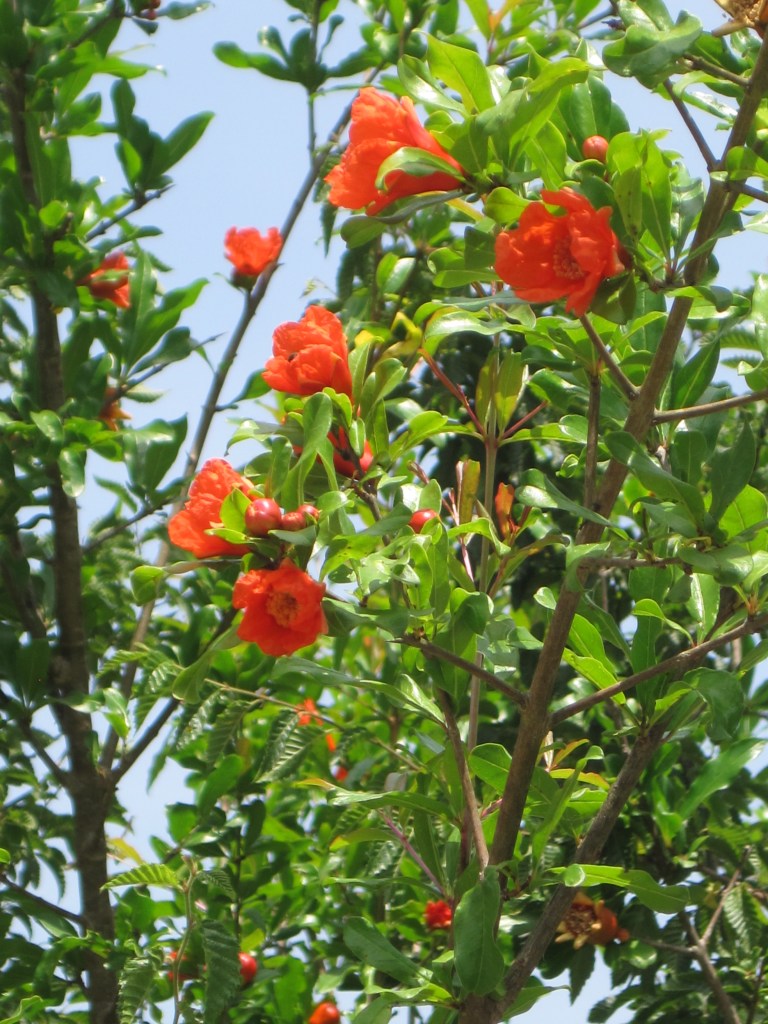
On the way back down to town, some other tourists and I caught a passing taxi. When we arrived back at the Colchis fountain, the driver insisted that the short ride was free. It was yet another example of the generous hospitality I encountered in Georgia

 Kartvelian Adventures
