Rabati Castle, Akhaltsikhe

On the way from Vardzia to Kutaisi, I stopped in Akhaltsikhe for a few hours to see Rabati Castle. Actually, the driver of the marshrutka I was riding in got a phone call and took a little detour somewhere north of Vardzia to pick up about 20 kg of onions. On the outskirts of Akhaltsikhe, the onions and I were offloaded to a random guy with a car, who drove me to the foot of the castle hill while the marshrutka continued on to Tbilisi. Such is public transportation in Georgia.
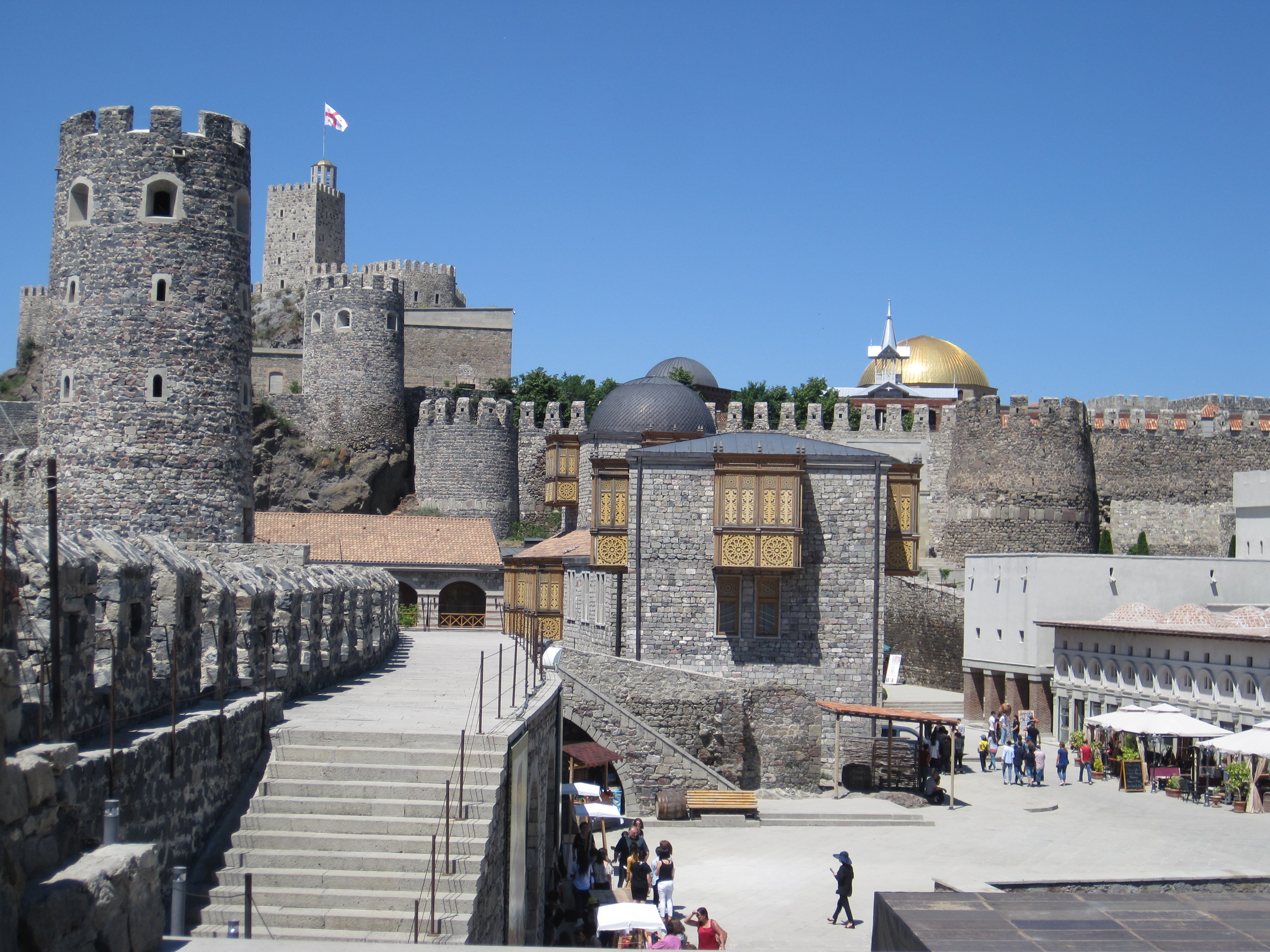
Rabati Castle
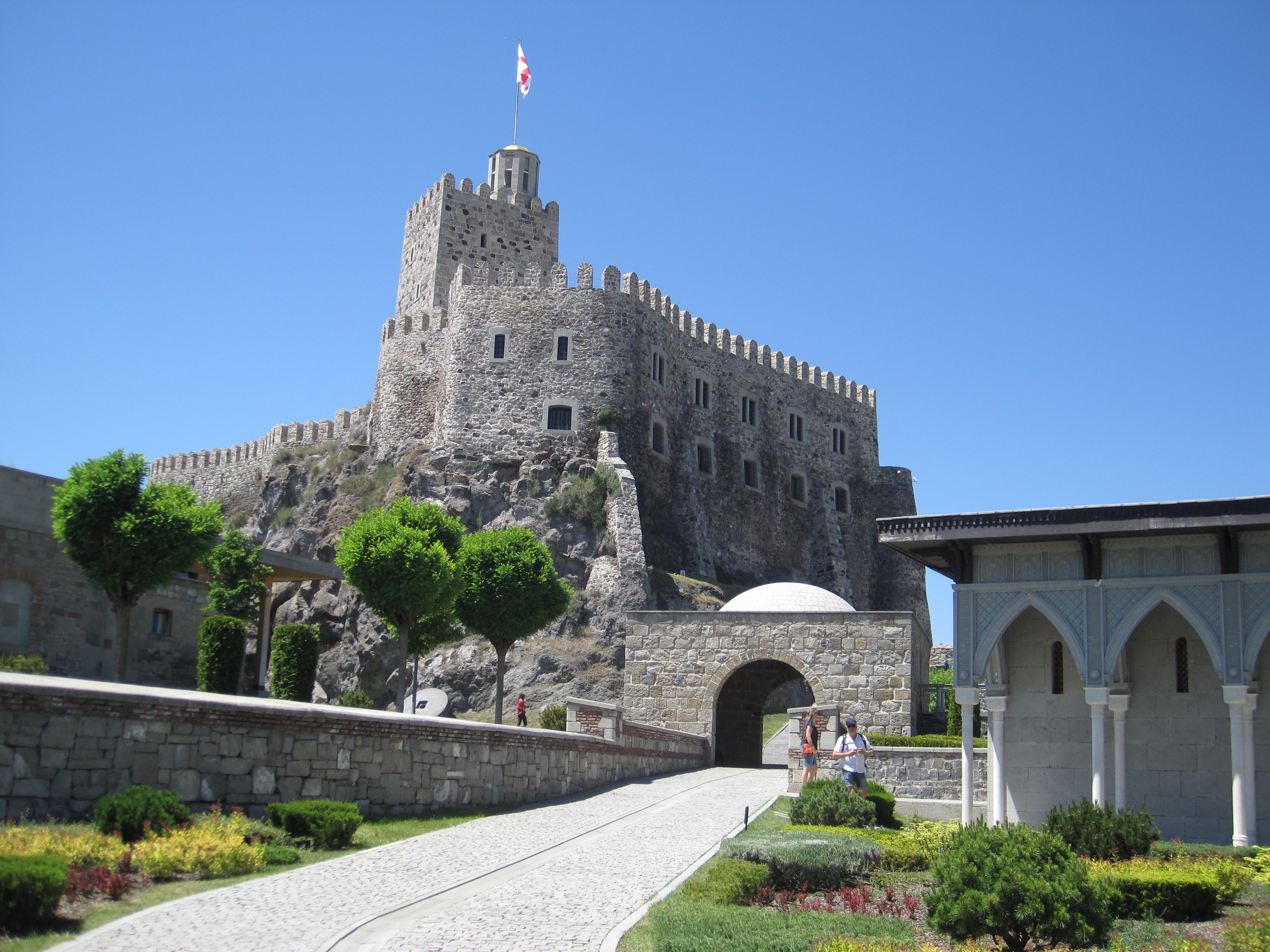
The main courtyard of Rabati castle.

I have ambivalent feelings about Rabati. As recently as 2011, it was a ruined fortress guarding a town that was a bit economically depressed. Then Mikheil Saakashvili, the president at the time, announced a major building project to turn it into a tourist attraction and a cultural centre. Notice I didn’t call it a reconstruction or a restoration project. That’s because it wasn’t an attempt to restore the castle to the way it looked in an earlier century. They just plonked a theme park on top of it, as fast as they could. By August of 2012, it was open for business.
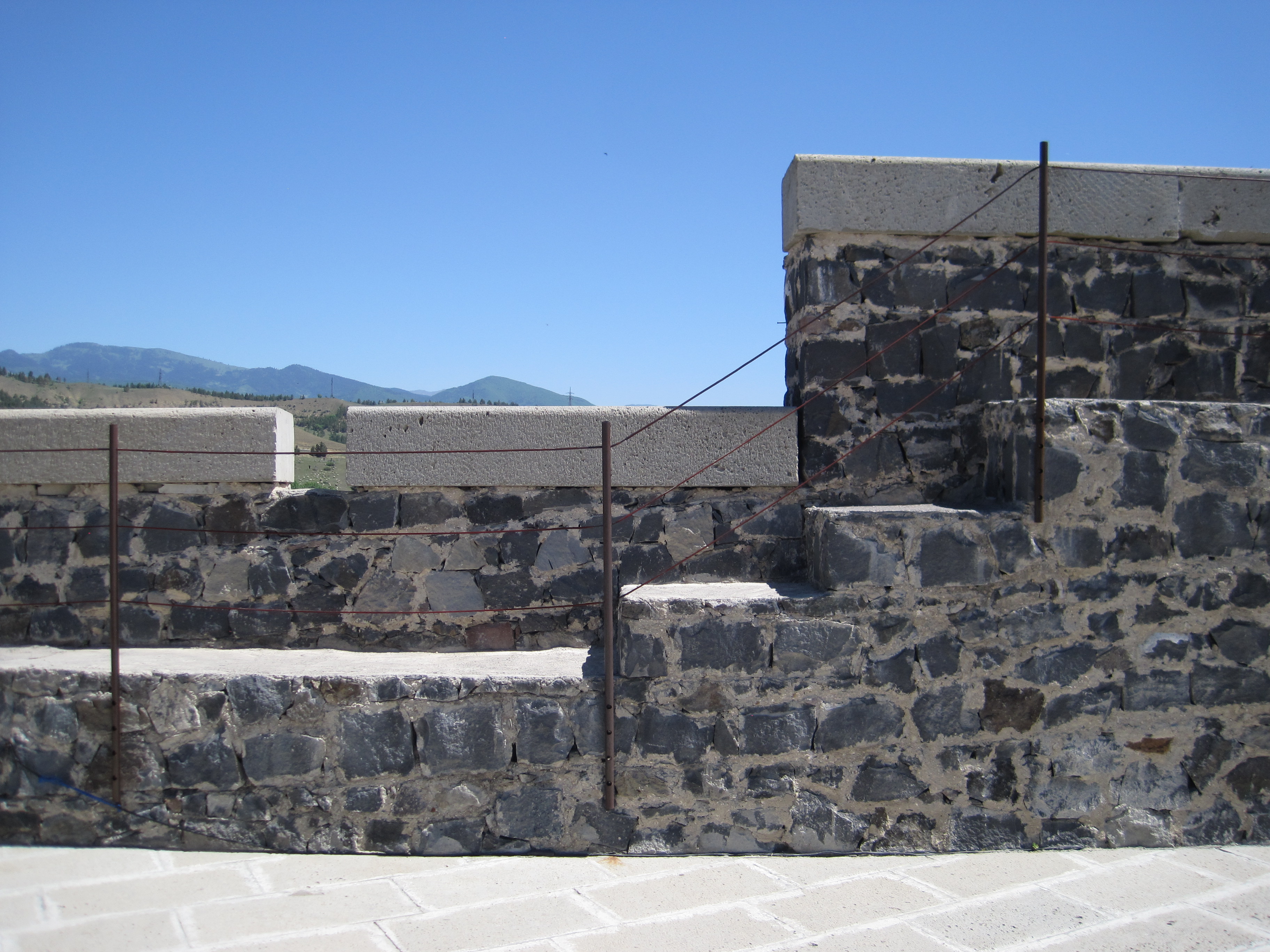
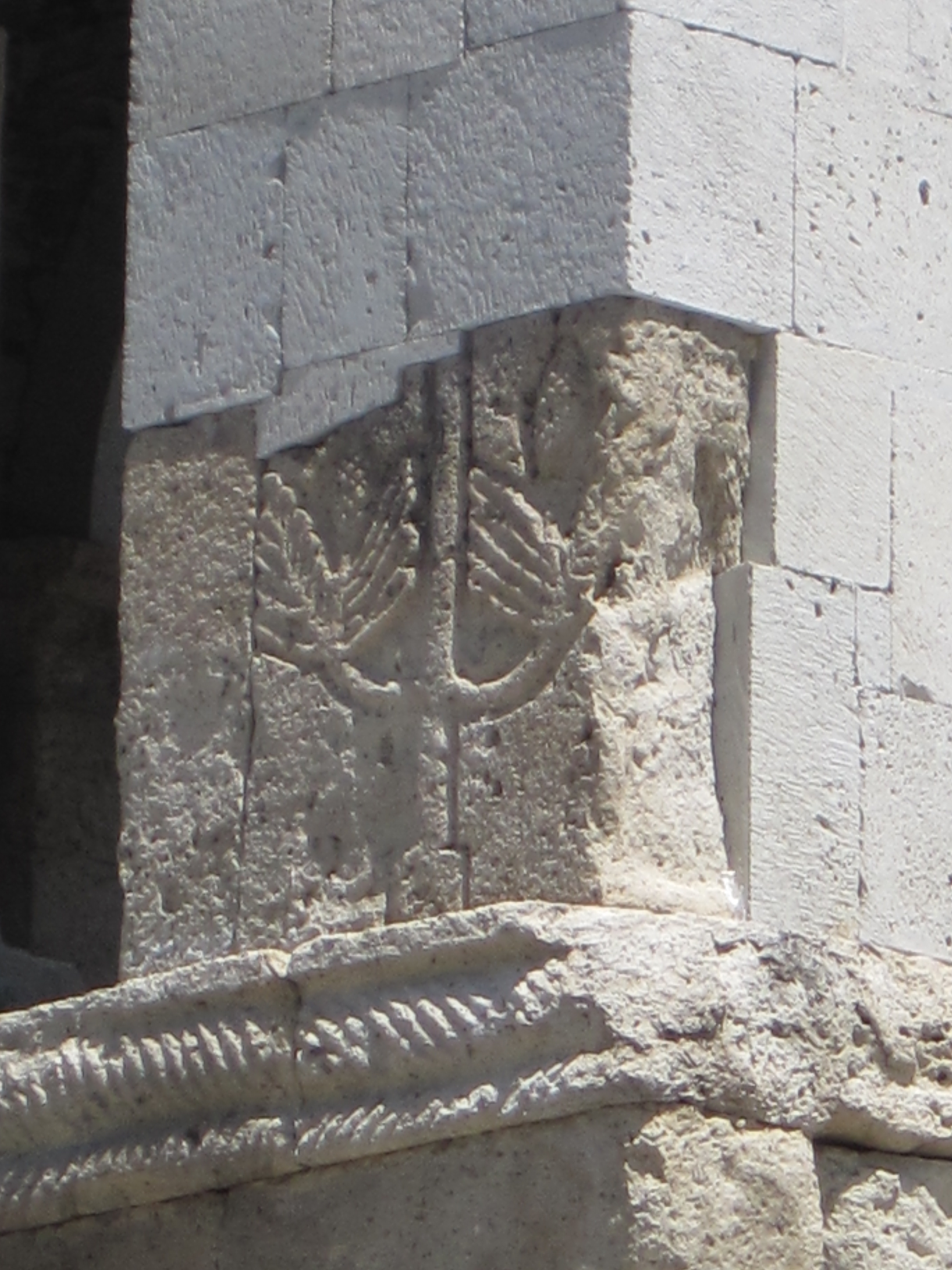
Stone wall of Rabati Castle, with concrete blocks on top.
Matching the existing stonework was not always a priority.
Wall made with concrete blocks on top of stone blocks with bas relief carving.
“Sculptural program? LOL, what sculptural program?”
Rabati Castle keep, with landscaped gardens below.
I have to admit, it looks kind of cool, though. This is the castle keep, which has a conference room you can rent.
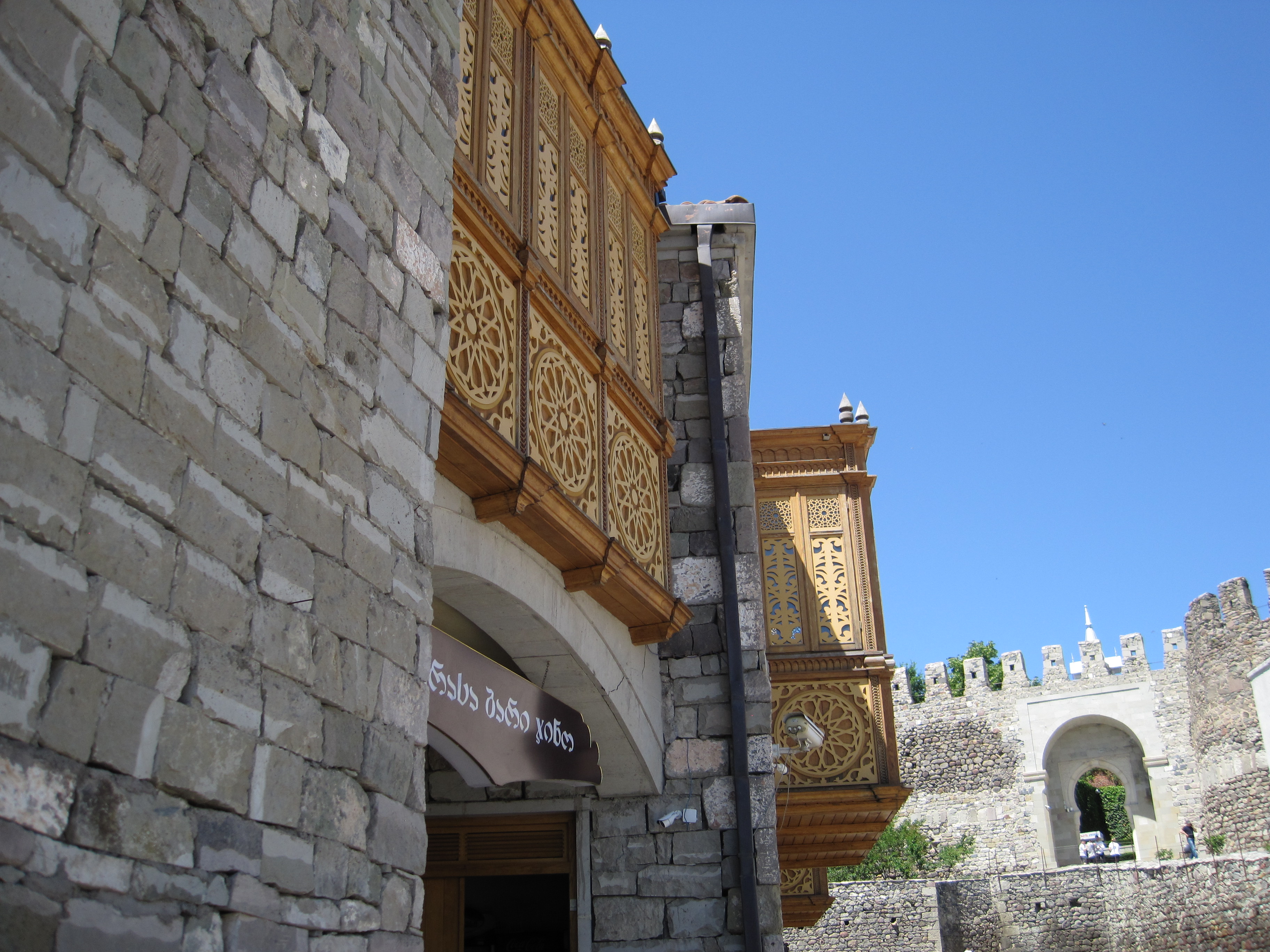
The pierced wooden balconies of Gino Wellness Rabath Hotel and Spa.
There’s a fancy spa hotel in the main courtyard.

When I visited, the site was bustling with activity. There were tourists from all over the world, visiting school groups, and a music and dance recital for children on an open air stage. As a tourist attraction and a living cultural centre, the castle is unquestionably a success.
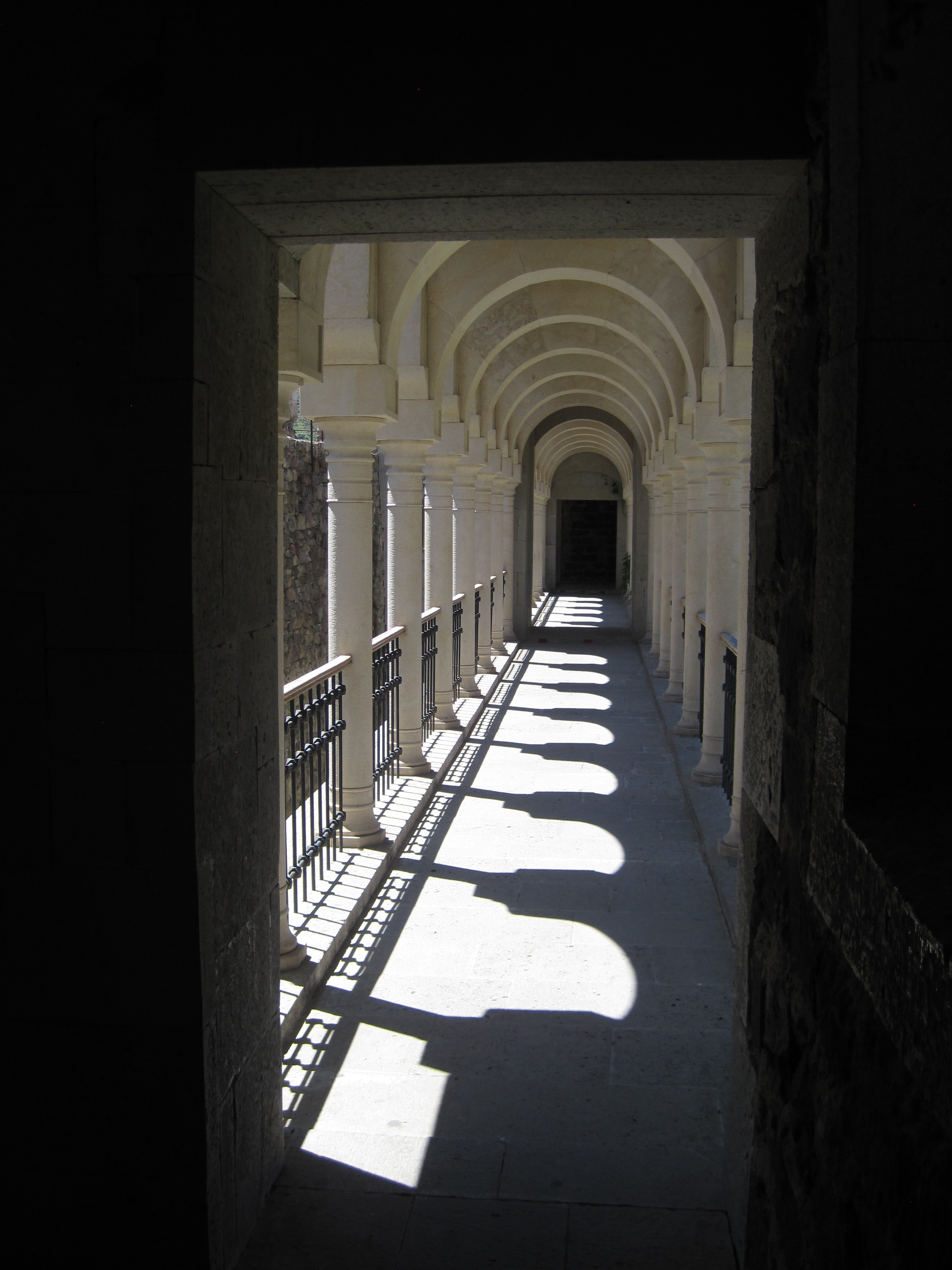
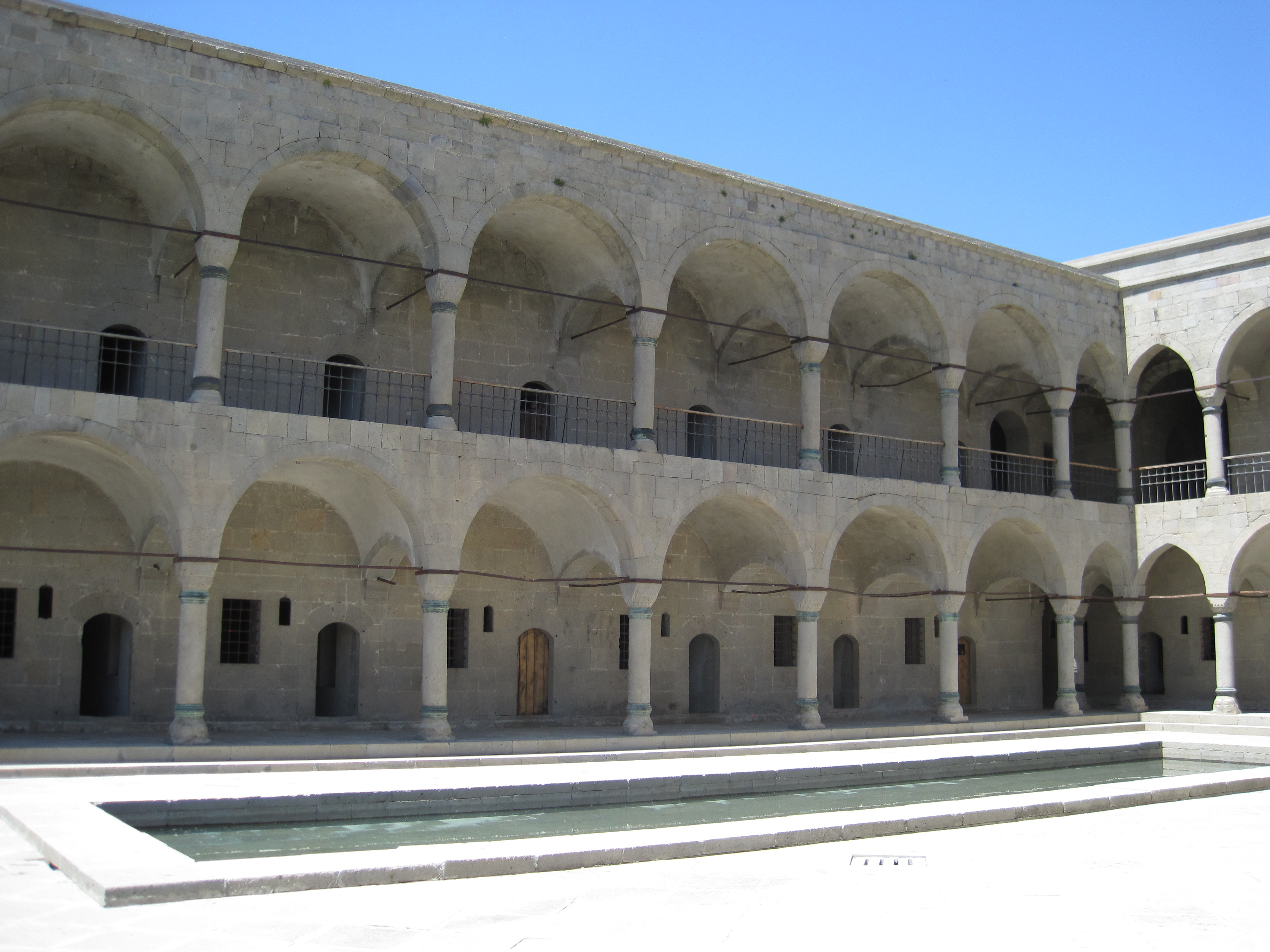
Interior of cloister walk.
There’s a random new cloister that doesn’t really connect anything.
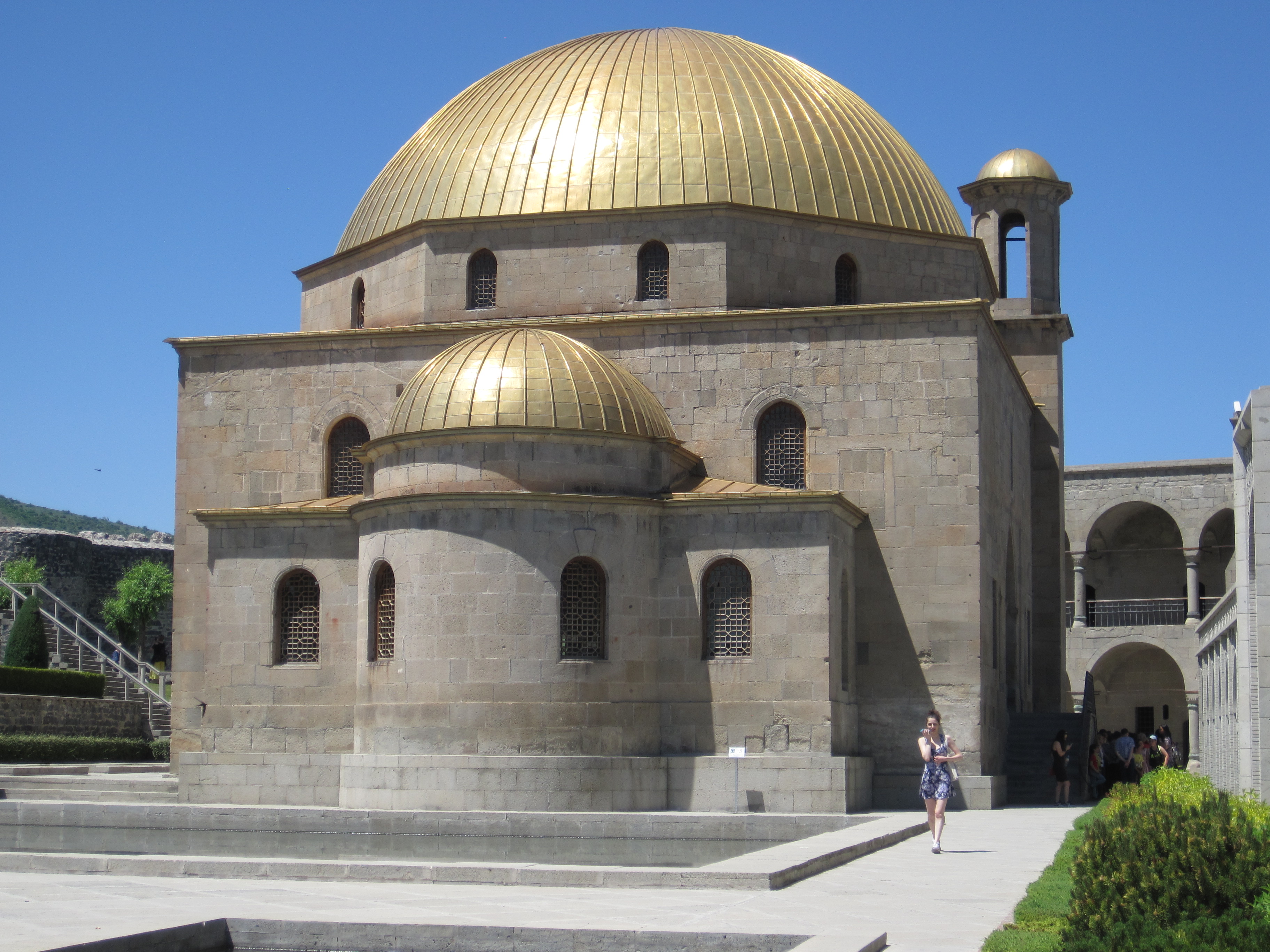
Mosque, Rabati Castle.
The mosque is historical, dating to the eighteenth century when Ottomans controlled the town. It’s a bit awkward, though, because there is a distinct shortage of Muslims in the area. In 1944, Stalin deported some hundred and fifteen thousand Meskhetian Turks from the area, killing 30 to 50 thousand of them in the process, and very few of the survivors or their descendants have been able to return.
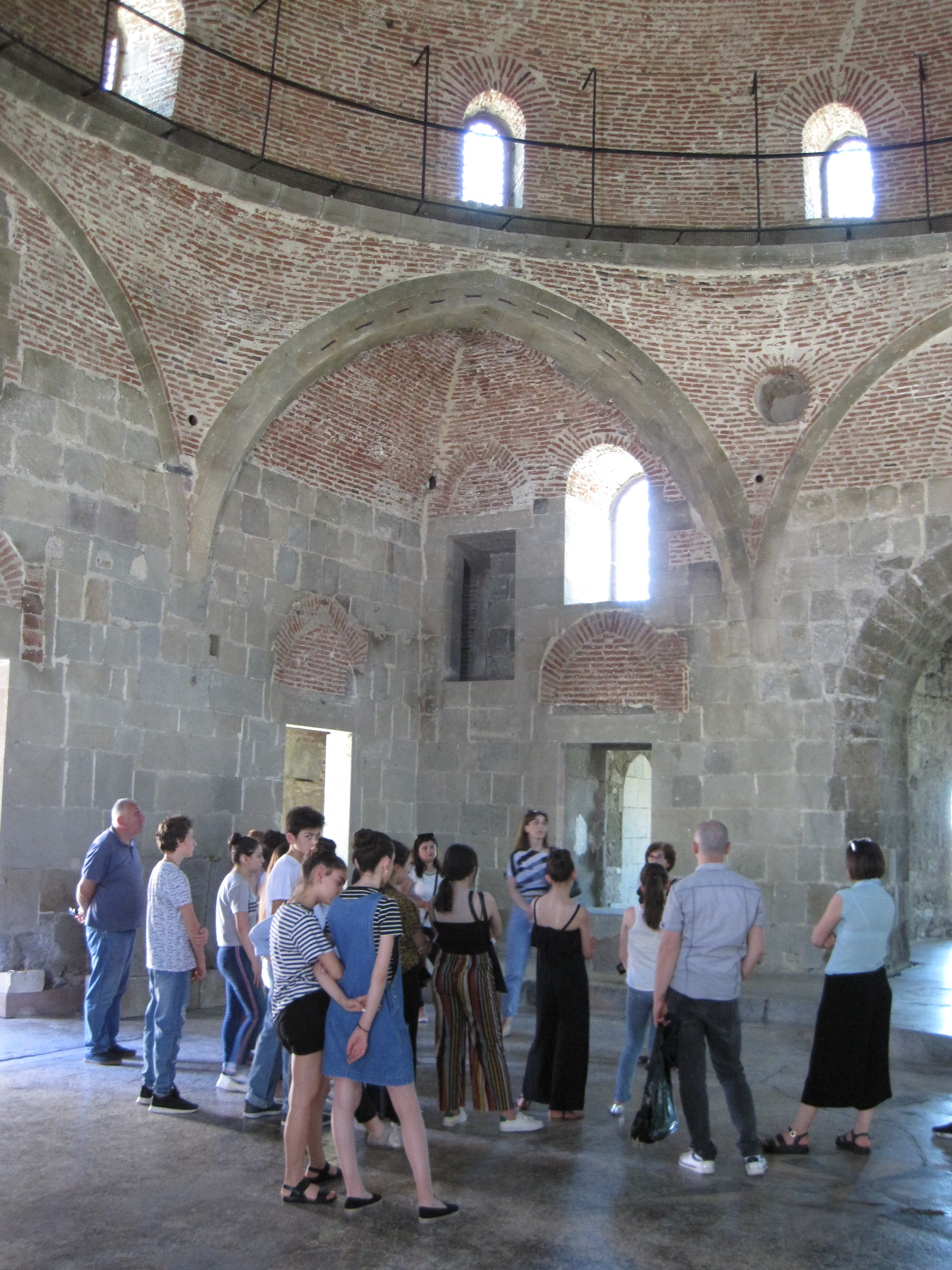
Interior of Rabati Castle mosque, with group of tourists.
The mosque is empty inside and appears not to be consecrated anymore. Tourists wander through with their shoes on.
The concrete caravanserai just outside the mosque appears to be new. There was nothing inside the rooms when I looked.
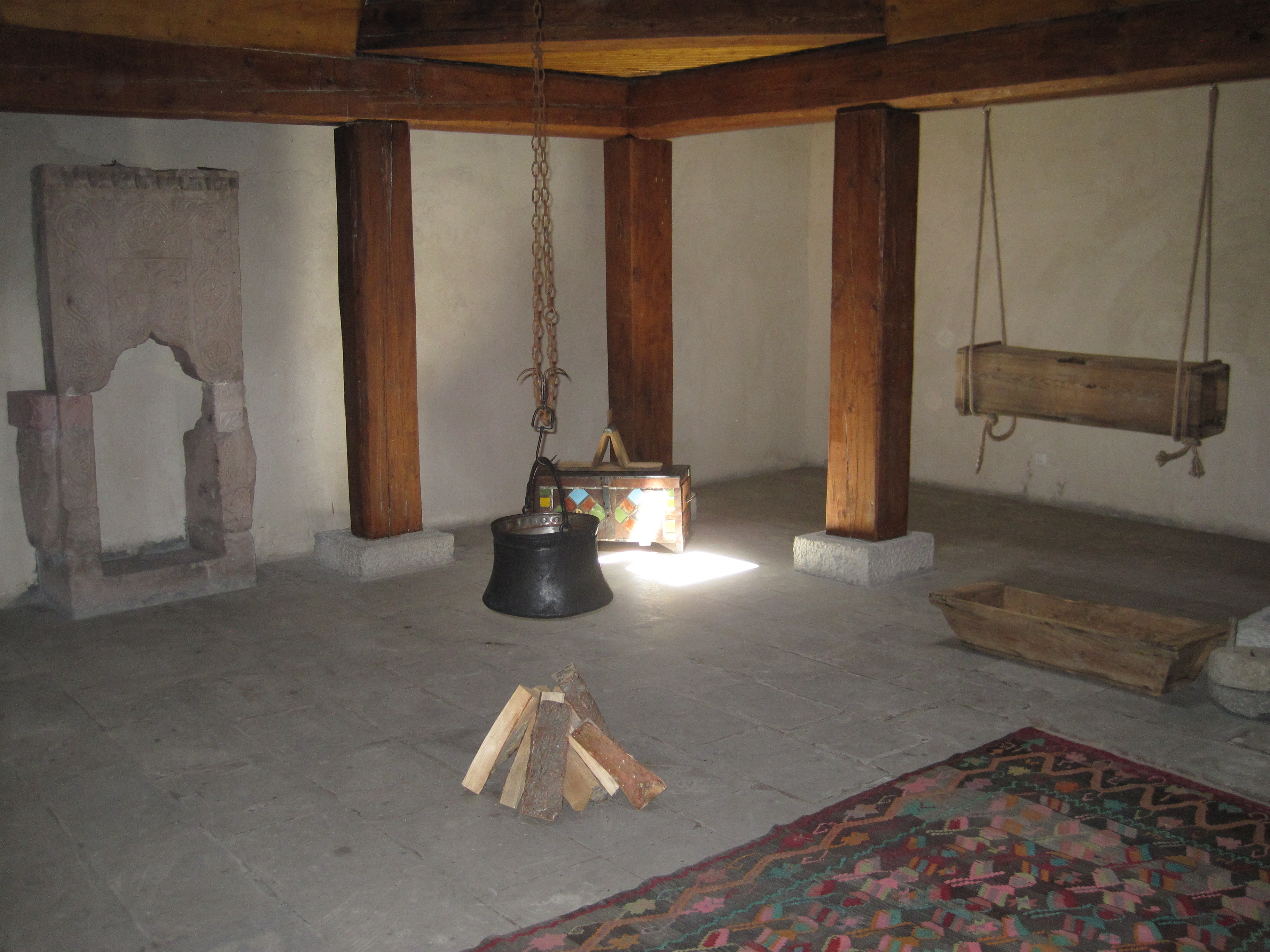
Interior with central hearth, kettle on hearth chain, chest with wool carding comb, corn crib (?), kneading trough, and rug.
In the upper bailey, there’s a “Meskhetian Hall”.
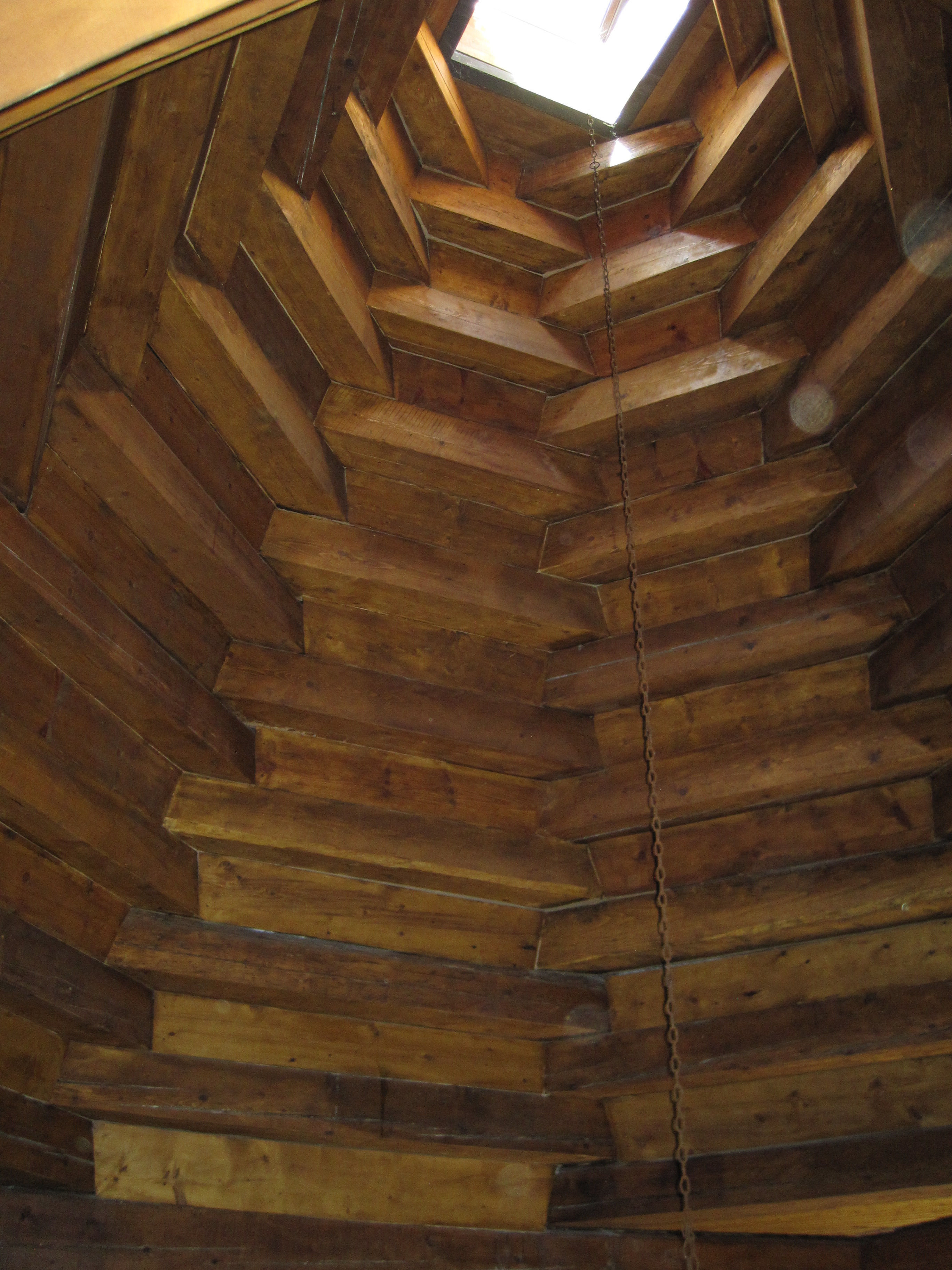
Interior, conical wooden darbazi roof with smoke hole and hearth chain.
It has a nifty darbazi roof.
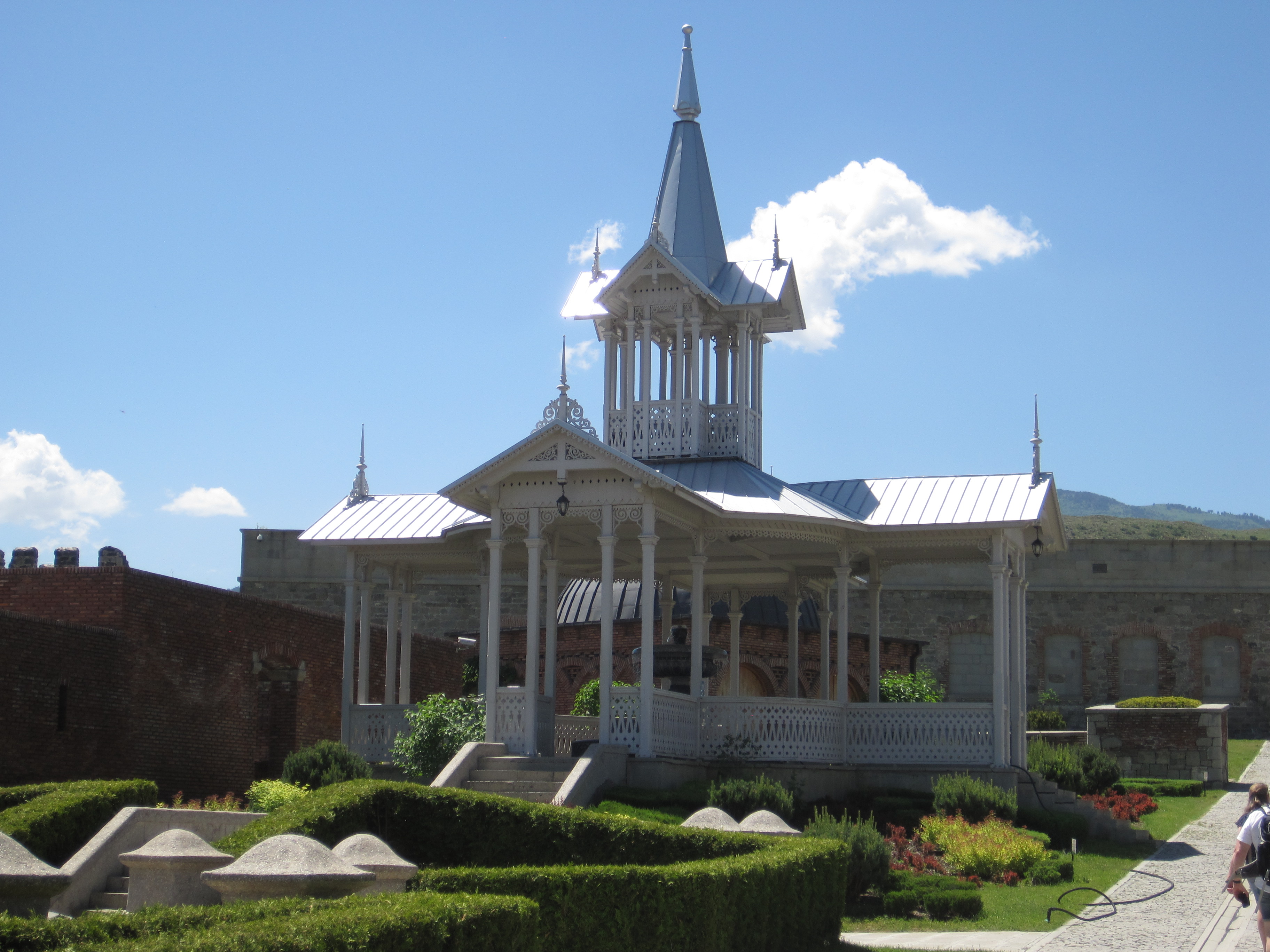
Garden gazebo with cupola and pointed roof.
Below the keep there’s a Victorian-style gazebo. Why not? Nothing is true and everything is possible.

The castle also contains the excellent Samtskhe-Javakheti History Museum, but that building deserves a post of its own.
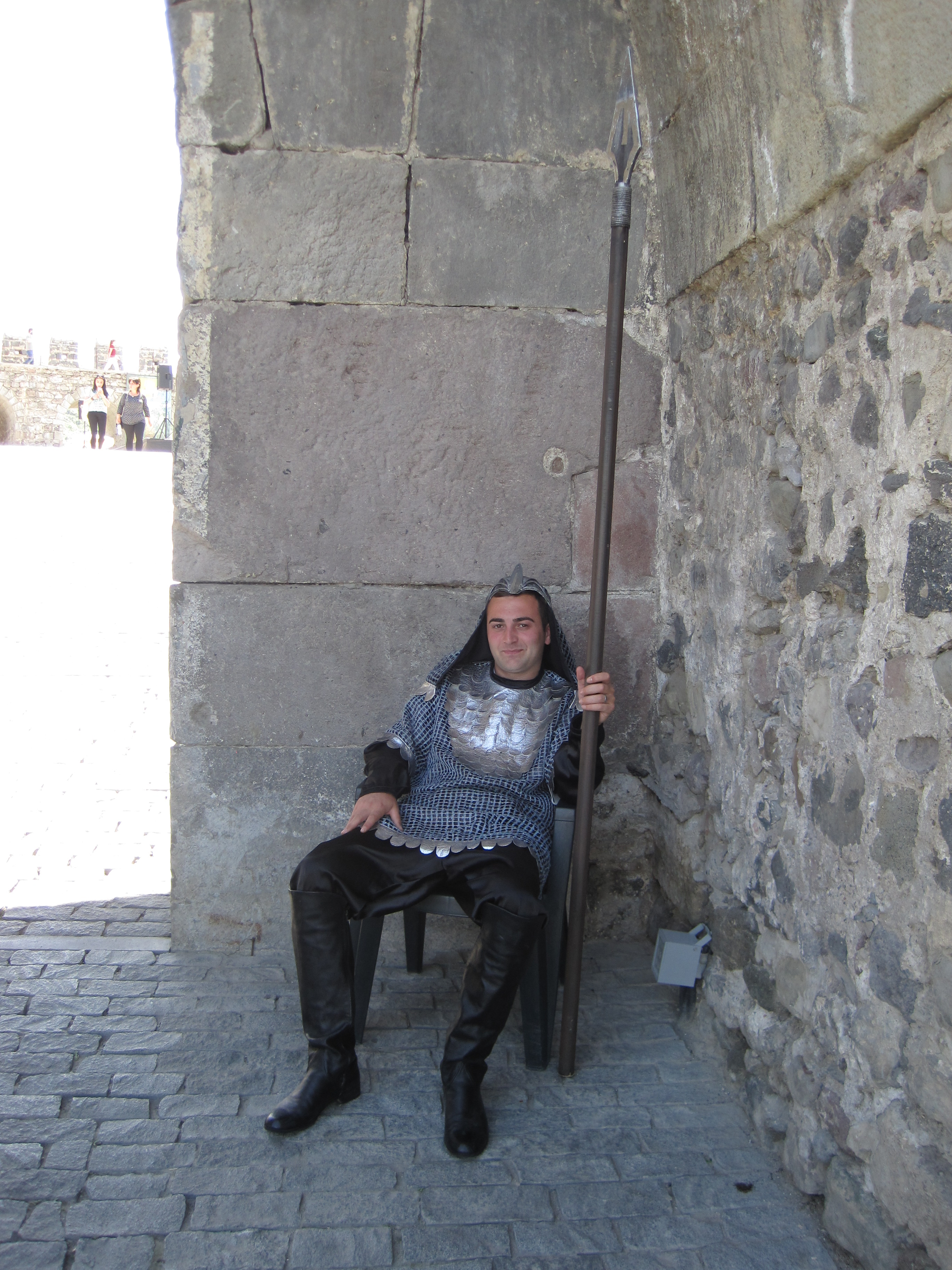
Bye, now. Come again!

Leave a comment